
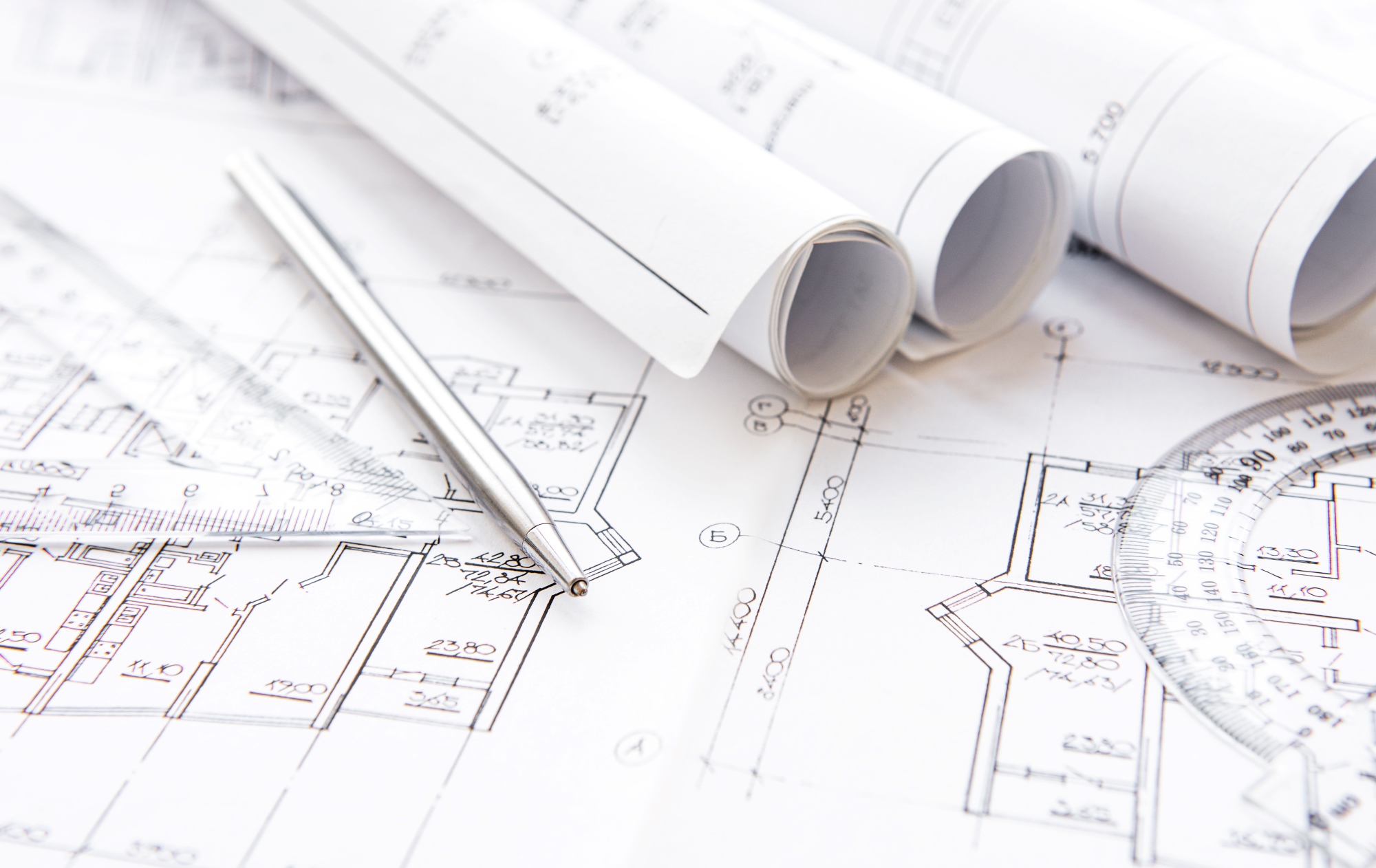
The relationship between engineers and Residential Drafting Service is not just common; it’s often a necessity for safe, compliant, and durable residential construction. While a drafting service creates the visual plans, an engineer provides the critical structural calculations and design oversight that ensure a building stands strong and meets all regulatory requirements. This collaboration is fundamental to almost any significant residential project, bridging the gap between architectural vision and structural reality.
Overview
- Engineers are frequently involved in residential projects, especially for structural integrity and safety.
- Residential Drafting Services act as a conduit, translating engineering specifications into detailed architectural and construction drawings.
- Structural calculations from engineers are vital for foundations, load-bearing walls, roofs, and specific features like large openings or retaining structures.
- Many building permits, particularly for new builds or significant alterations, require stamped engineering drawings.
- Projects like multi-story homes, complex foundations, significant renovations, or the addition of structures such as large decks or Swimming Pool Drafting Plans almost always necessitate engineering input.
- This collaboration ensures compliance with local building codes, mitigating risks and potential costly errors during construction.
The Essential Collaboration in Residential Projects
From my professional vantage point, the idea that engineers aren’t involved in residential projects is a widespread misunderstanding. In reality, they are integral. A Residential Drafting Service primarily focuses on creating the visual blueprints, elevations, and detailed plans that represent the architectural and spatial layout of a home. This includes floor plans, sections, and exterior views. However, these drawings, while crucial for visualization and spatial planning, do not inherently detail the structural components required to make the building safe and robust. That’s where engineering steps in. Structural engineers calculate the loads a building will endure – from its own weight to environmental factors like wind and snow – and specify the materials, dimensions, and connections needed to support these loads. This collaboration ensures that the artistic vision of the draftsperson is structurally sound and adheres to stringent building codes.
When Engineering Expertise Becomes Crucial for Homes
There are numerous instances where engineering expertise becomes not just beneficial, but legally mandated for residential properties. For any new home construction, particularly those with more than one story, engineers are indispensable for designing foundations, floor systems, roof framing, and load-bearing walls. They assess soil conditions, specify appropriate footing designs, and determine beam sizes and column placements. Beyond new builds, significant renovations, extensions, or alterations to existing structures often require engineering review. Removing a load-bearing wall, adding a second story, or constructing a new garage will invariably require an engineer to certify the structural integrity of the altered parts and their interaction with the existing dwelling. Without this expert input, homeowners risk structural failure, costly reworks, and potential non-compliance with building regulations.
The Role of a Residential Drafting Service in Facilitating Design and Compliance
A Residential Drafting Service plays a pivotal role in translating both architectural concepts and engineering specifications into a cohesive set of construction documents. They don’t just draw pretty pictures; they create the detailed plans that contractors follow during construction. When engineers provide their calculations and design details – such as steel beam schedules, foundation designs, or bracing requirements – the drafting service integrates these into the main architectural plans. This means a single, unified set of drawings will show not only where walls are placed and how rooms are laid out, but also the precise specifications for the structural components recommended by the engineer. This integration is critical for clarity on the construction site, ensuring everyone from the builder to the various trades understands the full scope of work and adheres to the engineered design, facilitating smoother council approvals and safer construction.
Specific Project Types Demanding Engineering Oversight
Many specific residential projects inherently require input from structural engineers. Consider Swimming Pool Drafting Plans for inground pools. While a drafting service creates the layout and dimensions, an engineer will assess soil conditions, hydrostatic pressures, and the structural design of the pool shell and surrounding decking to prevent collapse or shifting. Similarly, projects involving significant excavation, such as creating a new basement or adding a subterranean garage, will need engineers to design retaining walls and foundation waterproofing systems. The construction of large, multi-level decks or complex roof structures with long spans also falls under this category. Engineers will calculate load capacities and specify suitable framing members to ensure these elements are safe for occupants and can withstand environmental forces. This expert involvement is a non-negotiable step to ensure longevity and prevent hazards.
The Critical Role of Structural Calculations in Residential Safety
The core contribution of an engineer to a residential project lies in their ability to perform intricate structural calculations. These calculations are not merely academic exercises; they are the bedrock of a building’s safety and longevity. Engineers analyze various forces, including dead loads (the weight of the building itself), live loads (occupants, furniture), wind loads, and seismic loads, depending on the region. They then specify the appropriate materials – whether timber, steel, or concrete – and their precise dimensions and connections to safely resist these forces. This mathematical rigor ensures that foundations won’t crack, beams won’t sag, and walls won’t buckle under stress. Their stamp of approval on plans signals to regulatory bodies that the design meets Australian Standards and the National Construction Code, thereby protecting homeowners, future occupants, and the public from potential structural failures. It’s a layer of due diligence that is essential for responsible building practices.
For homeowners embarking on new builds, renovations, or specialized additions like pools, gaining clear, accurate architectural and structural documentation is paramount. SimplyDraft.com.au specializes in creating precise and detailed residential building plans, including site plans, floor plans, and elevation drawings. We frequently collaborate with certified structural engineers to ensure all our designs meet rigorous safety standards and comply with local regulations. Whether you need Swimming Pool Drafting Plans that integrate engineer specifications or require assistance with Home Additions Drafting that demands structural review, our service facilitates a seamless process from concept to approved construction documentation. Our experience ensures that the necessary engineering input is appropriately incorporated, providing you with peace of mind and a structurally sound design.